Story
China
Southeast Asia
Renewable energy tech
The next phase of China’s clean energy story runs through Southeast Asia

Written by Jie Xiao, Country Director at New Energy Nexus China

I’ve just come back from three of the world’s biggest climate gatherings — New York Climate Week, Bangkok Climate Action Week, and Shanghai Climate Week — and one thing is crystal clear: the center of gravity in the global energy transition has shifted decisively to Asia. Everywhere I went, the same figures echoed: half of the world’s electricity is already consumed in this region, with Southeast Asia on course to account for 25% of global energy demand growth between now and 2035. The question is no longer whether Asia will lead the energy transition, but how.

And here’s the problem. Much of the conversation still focuses on supply and demand — China providing the technology and capital, Southeast Asia absorbing and applying it — rather than on what they can build together. That picture is badly outdated.

If Asia is to decarbonise at the speed required, this relationship must become a partnership of ecosystems, not just markets. What I saw across these climate weeks was the urgent need for entrepreneurship, collaboration, and shared innovation, not simply more shipments of solar panels across borders.

Asia already sits at the centre of this shift. Southeast Asia’s electricity demand is surging, growing nearly twice as fast as the global average. If these countries choose to lock in new fossil infrastructure, the world loses. If they leapfrog straight to clean energy, the world wins.
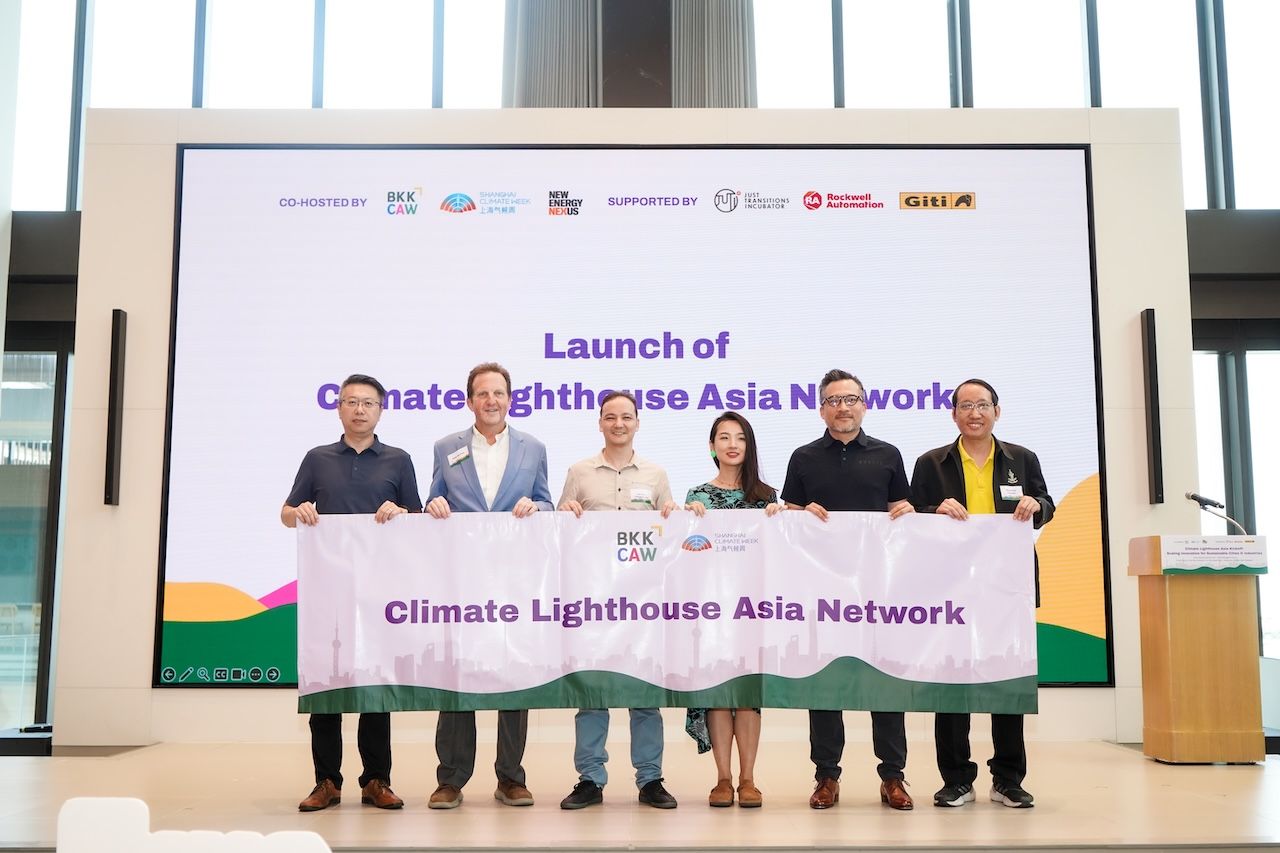
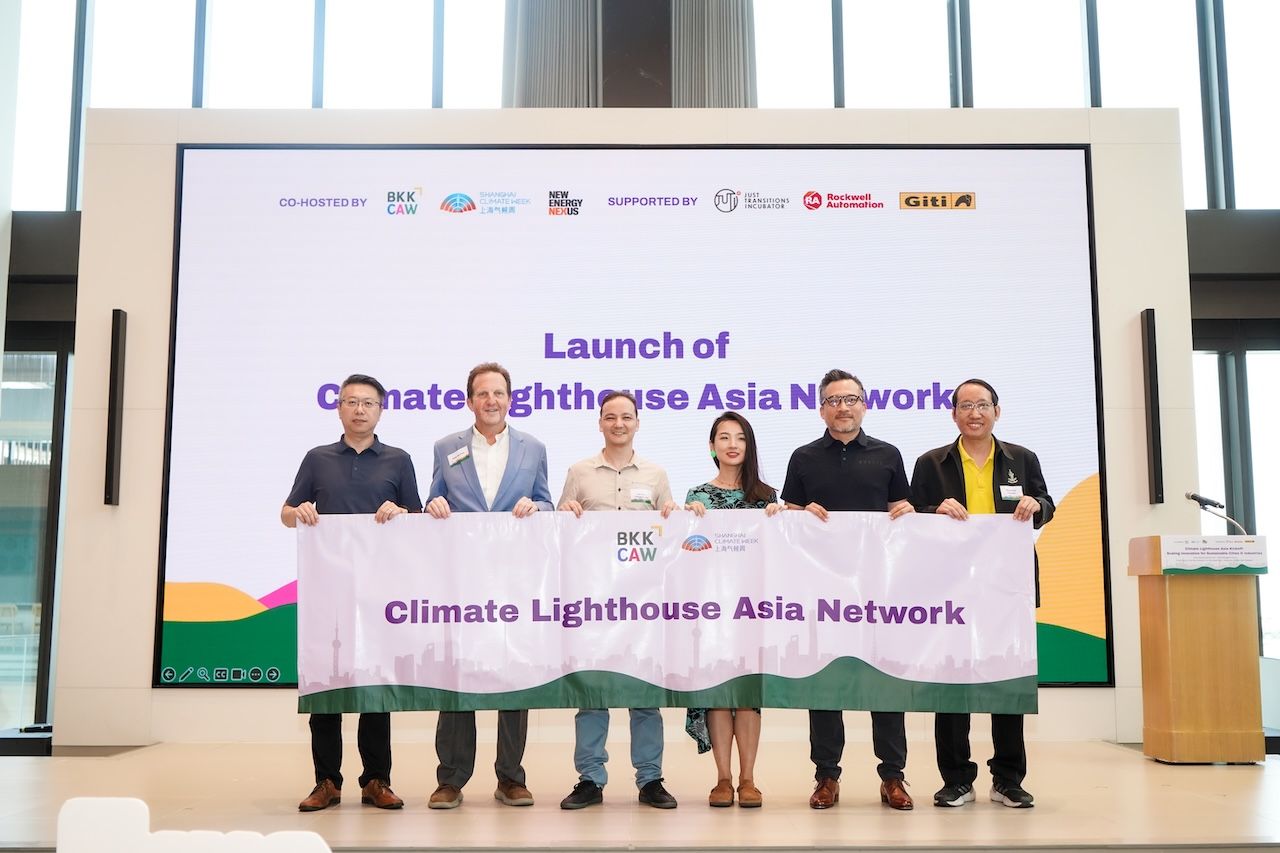
From left: Jason Dong, Executive Director of the Shanghai Climate Week Climate Lighthouse Professional Committee; Peter du Pont, Board Member at New Energy Nexus; Leo Horn-Phathanothai, Founder & Convenor of Bangkok Climate Action Week; Jie Xiao, General Manager of New Energy Nexus China; Ian Shih, Member of the Shanghai Climate Week Executive Committee, and International Advisor to the UNITAR Prosperity Alliance (Shanghai); and Dr. Manaswee Arayasiri, Sanitary Engineer at the Bangkok Metropolitan Administration.

That is why the relationship between China and Southeast Asia is so pivotal. What the climate weeks in Bangkok and Shanghai showed me is that Southeast Asia is not a passive recipient, but a laboratory for innovation. Local entrepreneurs are building new business models: rooftop solar sold on installment plans, mini-grids designed for island communities, efficiency solutions adapted to local commercial buildings.

And yet, the connective tissue between China’s and Southeast Asia’s clean energy innovation ecosystems remains thin. Chinese companies bring unmatched scale, capital, and supply-chain sophistication. But too many still see Southeast Asia as another export market due to limited understanding of local markets and policies, rather than a partner in co-creation. On the other side, Southeast Asian startups are inventive but often under-capitalised, locked out of manufacturing scale, and slowed by fragmented regulation. Both sides would benefit from deeper integration: shared accelerators, joint venture funds, mutual performance guarantees, and training exchanges that allow ideas to flow in both directions.

One moment in Bangkok captured what cross-border collaboration can look like in practice. At an event co-hosted by organisers of Shanghai and Bangkok Climate Weeks with New Energy Nexus China, we saw Chinese and Thai innovators meet not as exporters and buyers, but as partners in the clean energy transition. Corporates like TCL, LONGi, and Saint-Gobain showed how they’re digitalising factories and decarbonising supply chains, while startups such as Brick Technology, i2Cool, and Thailand’s Altotech shared solutions for smart, energy-efficient buildings. In that exchange, a new ecosystem took shape — built on trust, shared learning, and the belief that Asia’s net-zero future will be co-created, not imported.
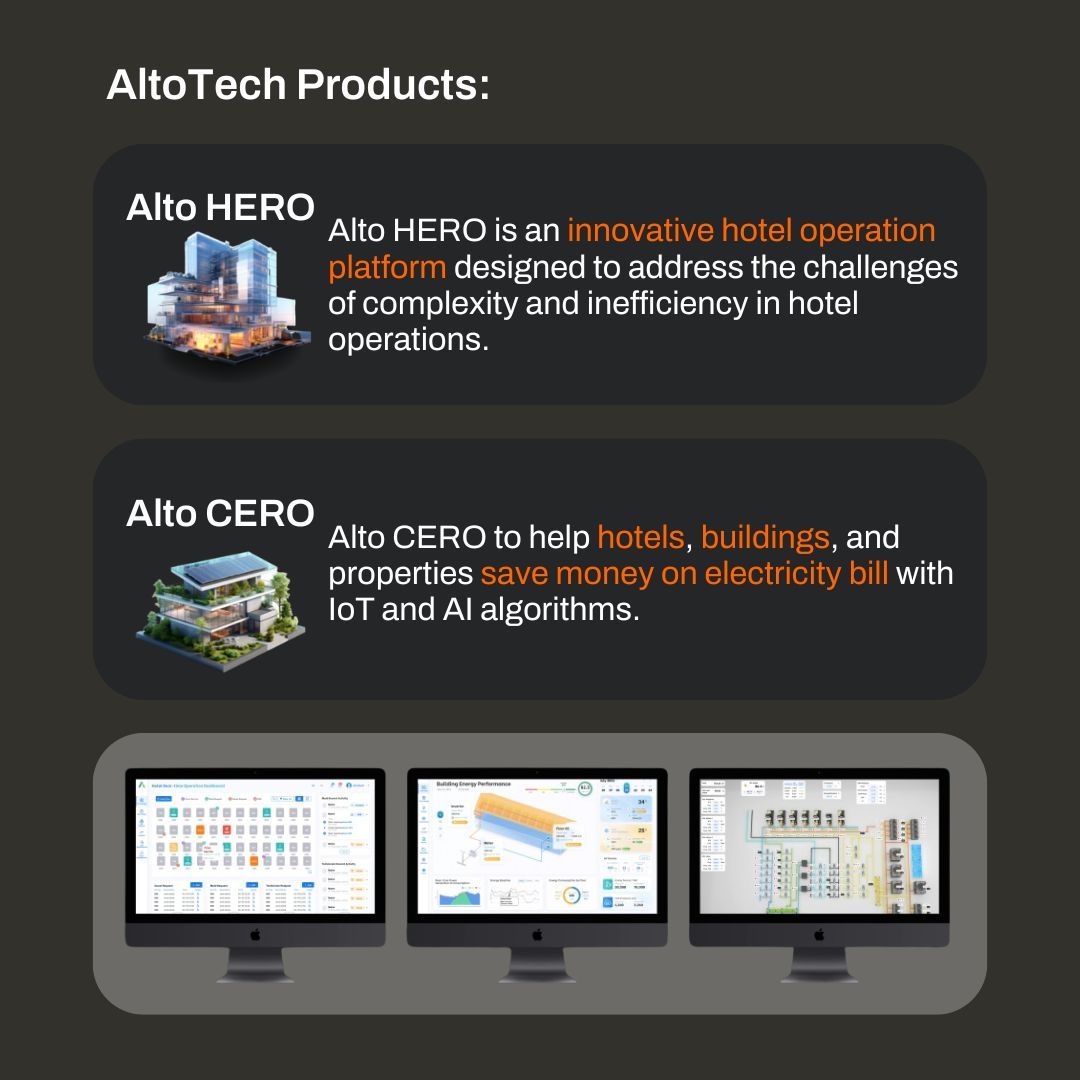
Altotech (Bangkok) provides an integrated AIOT energy management platform for building cooling and air-conditioning system management. It automates building management all in one place, reducing electricity cost by potentially 20-30%. Altotech participated in our Smart Energy Hackathon, Smart Energy Accelerator, the Decarbonize Thailand Sandbox, as well as the NEX COP28 Climate Tech Startup Accelerator.

What struck me most after these three climate weeks is how stark the choice is. Asia can double down on a transactional model — hardware shipped one way, demand absorbed the other — or it can step up to build a genuine partnership of entrepreneurs and innovators. The former may look efficient, but it risks a brittle transition that cannot withstand shocks. The latter is harder, messier, slower to start. But it is the only way to build the resilient and adaptive clean energy systems that can carry half the world’s population into a decarbonised future.
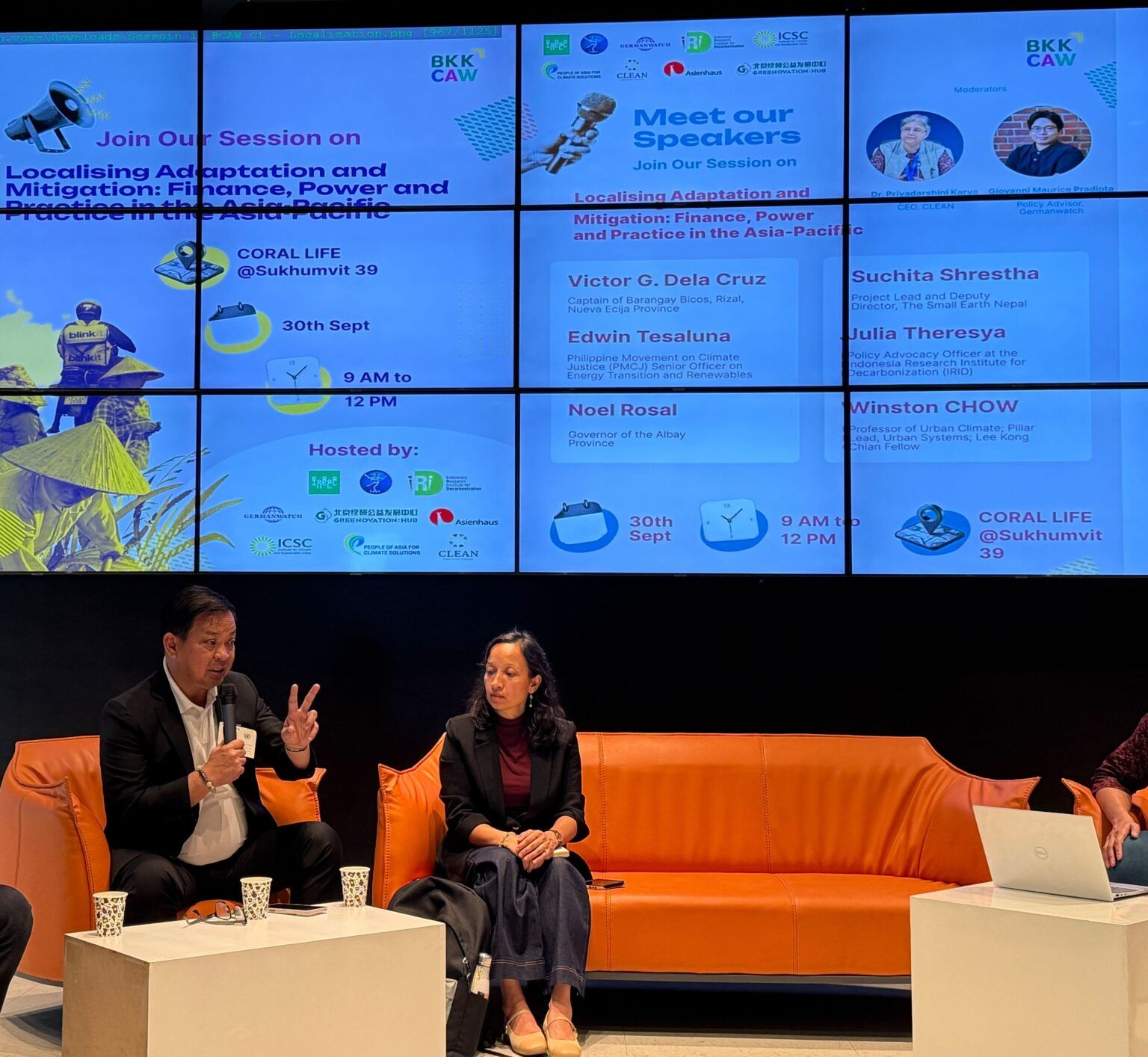
Noel Rosal, Governor of Albay Province, Philippines, at Bangkok Climate Action Week 2025, discusses how local communities and institutions across the Asia Pacific are driving climate adaptation and mitigation through finance, leadership, and practical solutions.

China has much to gain from this shift: opening new markets, diversifying demand, and learning from the hard realities of diverse Southeast Asian geographies. Southwest Asia, in turn, gains access to proven technology and capital, while embedding its own innovators in global supply chains. This is not dependency; it is mutual advantage.

What New York Climate Week – with its big names and Western donors – offered was the view from the top: big finance, global politics, systemic frameworks. But it was Bangkok and Shanghai that offered the view from the ground: dynamic, entrepreneurial, urgent. If we want this to be the Asian decade of climate leadership, that is where our focus must be.

The lesson is simple. Southeast Asia’s clean-tech future will be built on ecosystems of entrepreneurs, investors and innovators working across borders, taking risks together, and co-creating solutions suited to the region’s realities. That was the palpable change I felt in Bangkok and Shanghai, and it is the change we must now scale.
Explore More
Story
China
Southeast Asia
Renewable energy tech
The three forces driving clean energy action at Bangkok Climate Action Week

New Energy Nexus CEO Andrew Chang talks about three emerging themes he observed at Bangkok Climate Action Week, during The NEX Gigawatt event on October 2, 2025.

The clean energy transition is well underway, and nowhere is this clearer than in Asia. From China’s record-breaking renewable capacity to Pakistan’s fast-growing solar movement, this side of the Pacific is setting the pace for the global shift.

But as the region races toward Net Zero, one thing is clear: solutions are needed faster than ever, and collaboration among leaders and innovators will determine how quickly we get there.

With this urgency in mind, New Energy Nexus convened leaders, entrepreneurs, and investors from across Asia-Pacific at the first-ever Bangkok Climate Action Week – spotlighting the people and partnerships at the forefront of this transition.

“This is an incredible time for New Energy Nexus to represent the chapters, the solutions that are happening on the ground,” said Andrew Chang, CEO at New Energy Nexus.

From the week’s panels and startup pitches, Andrew observed three emerging themes: each a driving force toward Asia’s clean energy future.

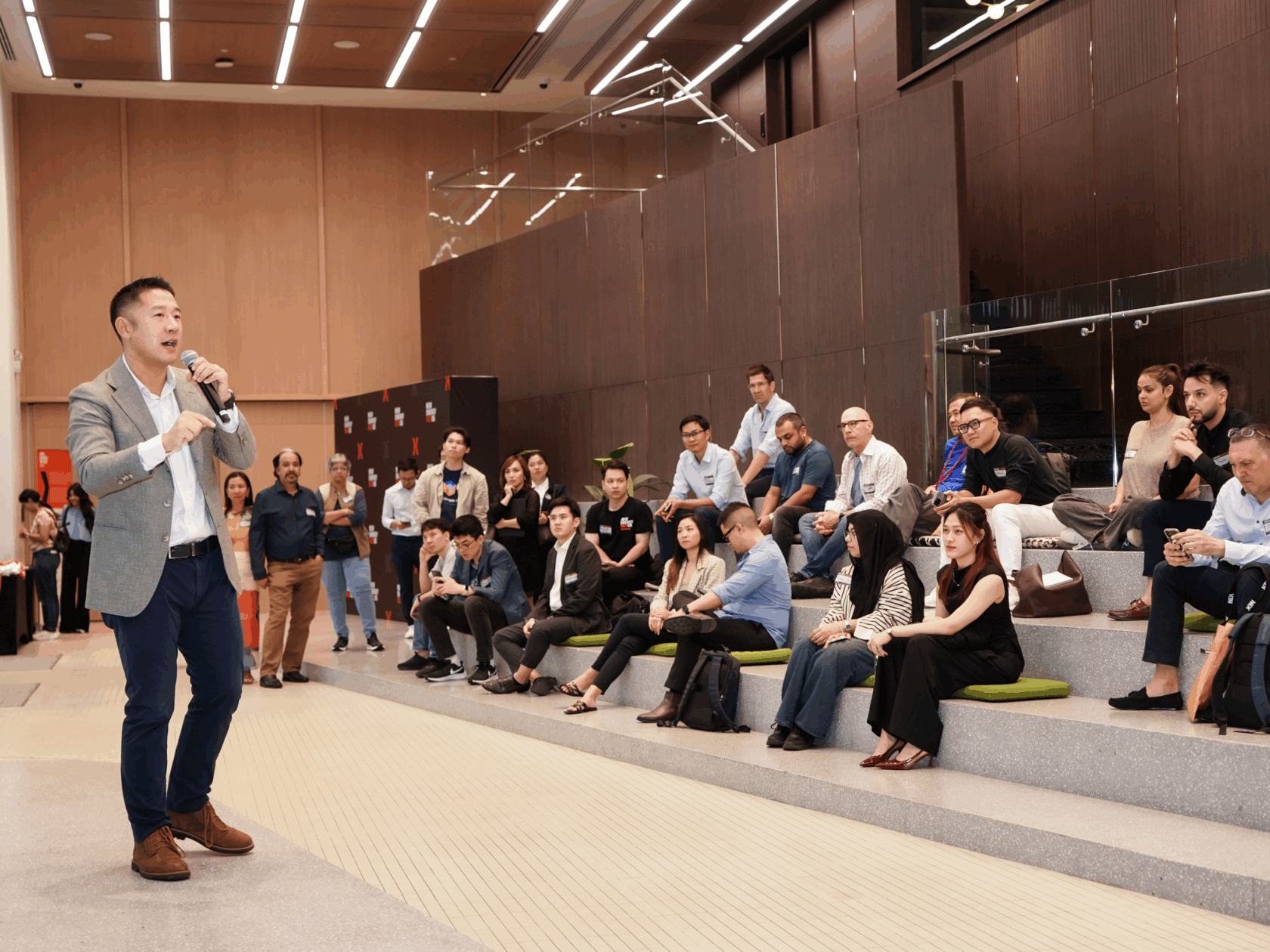
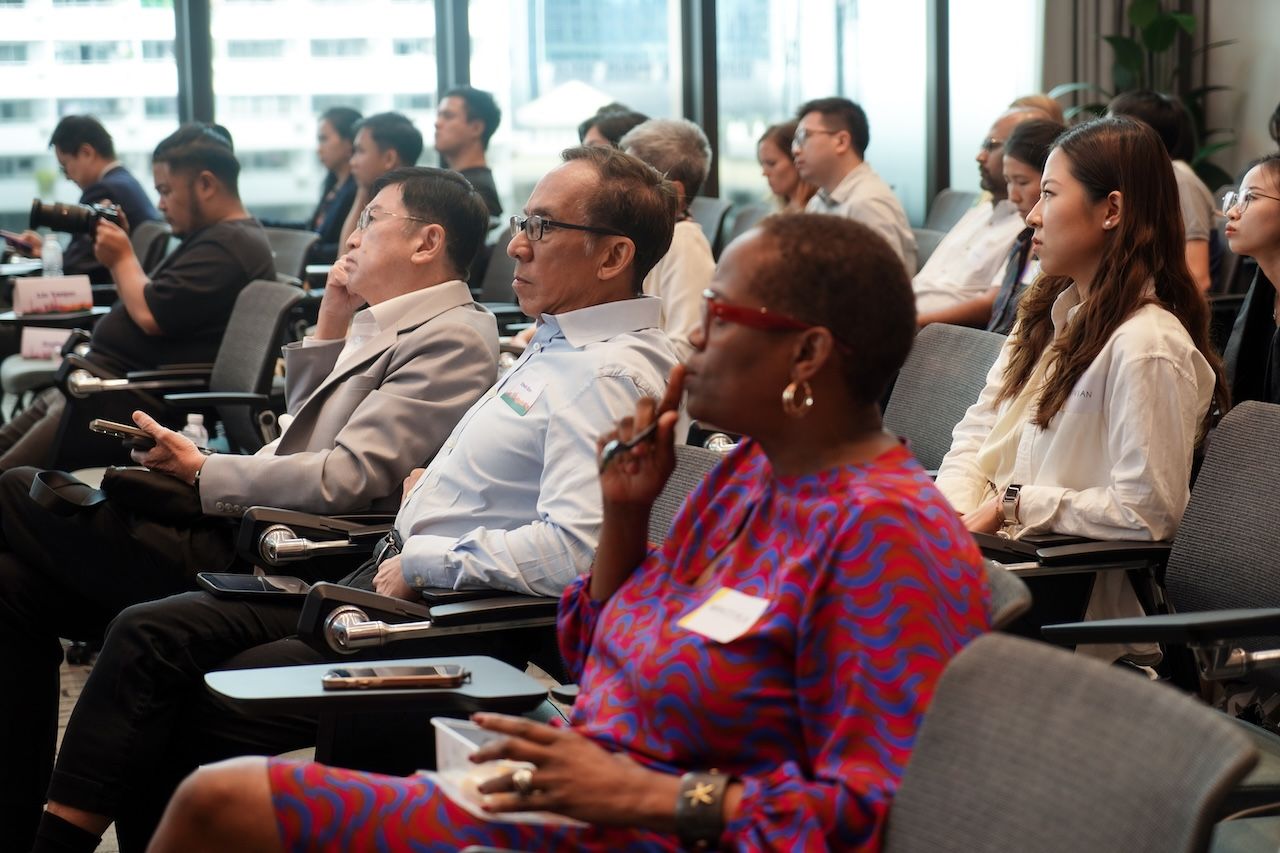
Attendees listen intently to a talk during the Climate Lighthouse Asia Kickoff event on September 29, 2025.

Convergence: A transition beyond borders

“Convergence of technology, convergence of people, convergence of collaborators all across the board.” — Andrew Chang

In a region separated by the sea but bound by shared challenges, no country should face the clean energy transition alone. Convergence can usher in progress faster and together.

This narrative shaped the discussion at Climate Lighthouse Asia Kickoff: Scaling Innovation for Sustainable Cities & Industries, where leaders from Shanghai and Bangkok came together to demonstrate what cross-border collaboration can do for the region’s energy transition.

The session highlighted end-to-end decarbonization, showcasing clean energy tech from East and Southeast Asia, and calling for stronger ecosystems supporting Asia’s innovators.

“I think [Shanghai and Bangkok] share a sense that the energy transition is not something that any city or country can achieve on its own. It only makes sense if you look at the challenge regionally and come together to address this together.” Leo Horn-Phathanothai, Founder & Convenor of Bangkok Climate Action Week and Founder & Executive Director at Just Transition Incubator

New Energy Nexus China General Manager Jie Xiao highlighted how events like these generate opportunities for intersectional collaboration:

“We brought the whole Shanghai Climate Week crew, including founders, big corporates, and small startups, to Thailand to share best practices on green supply chains, industrial parks, and green buildings.”

For startups like i2Cool, a Hong Kong-based venture developing electricity-free cooling solutions, this convergence opens doors to scale their impact.

“From building sectors to the industrial sectors, they all suffer from the heat problem. That’s why we need the cross-border collaboration… so that [our] technology can be well applied in different parts of the world.” Martin Zhu, CEO and Co-founder of i2Cool

From left: Jason Dong, Executive Director of the Shanghai Climate Week Climate Lighthouse Professional Committee; Peter du Pont, Board Member at New Energy Nexus; Leo Horn-Phathanothai, Founder & Convenor of Bangkok Climate Action Week; Jie Xiao, General Manager of New Energy Nexus China; Ian Shih, Member of the Shanghai Climate Week Executive Committee, and International Advisor to the UNITAR Prosperity Alliance (Shanghai); and Dr. Manaswee Arayasiri, Sanitary Engineer at the Bangkok Metropolitan Administration.

Pragmatism: A transition that works for everyone

“Being pragmatic, and understanding… who’s our audience, the communities that we want to support, making sure our solutions can connect with them.” — Andrew Chang

Clean energy capacity growth is already outpacing fossil fuels, but ensuring a just, equitable transition requires more than breaking records. It demands pragmatism, a focus on solutions that work on all fronts: policy, economics, and for people.

At Small Money, Big Change: Catalysing Solutions for a People-Centric Energy Transition, co-hosted by New Energy Nexus, AVPN, and The Global Energy Alliance for People and Planet (GEAPP), speakers emphasized that financing, inclusion, and agency are just as crucial as innovation.

“When we think about people-centric [energy transition], the word that comes to mind is agency… We really need to be thinking about what resources are already there in these communities and what they’re already doing to help champion for themselves.” Natasha Allen, Southeast Asia Programme Expert at the Alliance for Rural Electrification

“The lack of knowledge, lack of awareness… makes it difficult for people to really invest in this. Energy workers actually need the reskilling and upskilling in order [for us] to support them, and to be included in the future workforce planning.” Patrick Yeung, Director, Climate Action at AVPN

“We talk about carbon, investment, communities… but in the end, that is all to make sure all the people are benefiting from the energy transition – by getting affordable access to clean energy,” Lucky Nurrahmat, Indonesia Country Lead at GEAPP

The discussion reinforced a simple truth: the clean energy transition relies on hard decisions rooted in the lived realities of local communities. Pragmatism isn’t just a buzzword; it’s an approach that will shape how quickly and fairly the transition occurs.

For more on how clean energy can be realistic while centering communities, read New Energy Nexus China’s casebook, Small Money, Big Change: A Casebook on Rural Revitalization through PV Poverty Alleviation, Village-owned Wind Power Projects, and Youth and Women Empowerment.

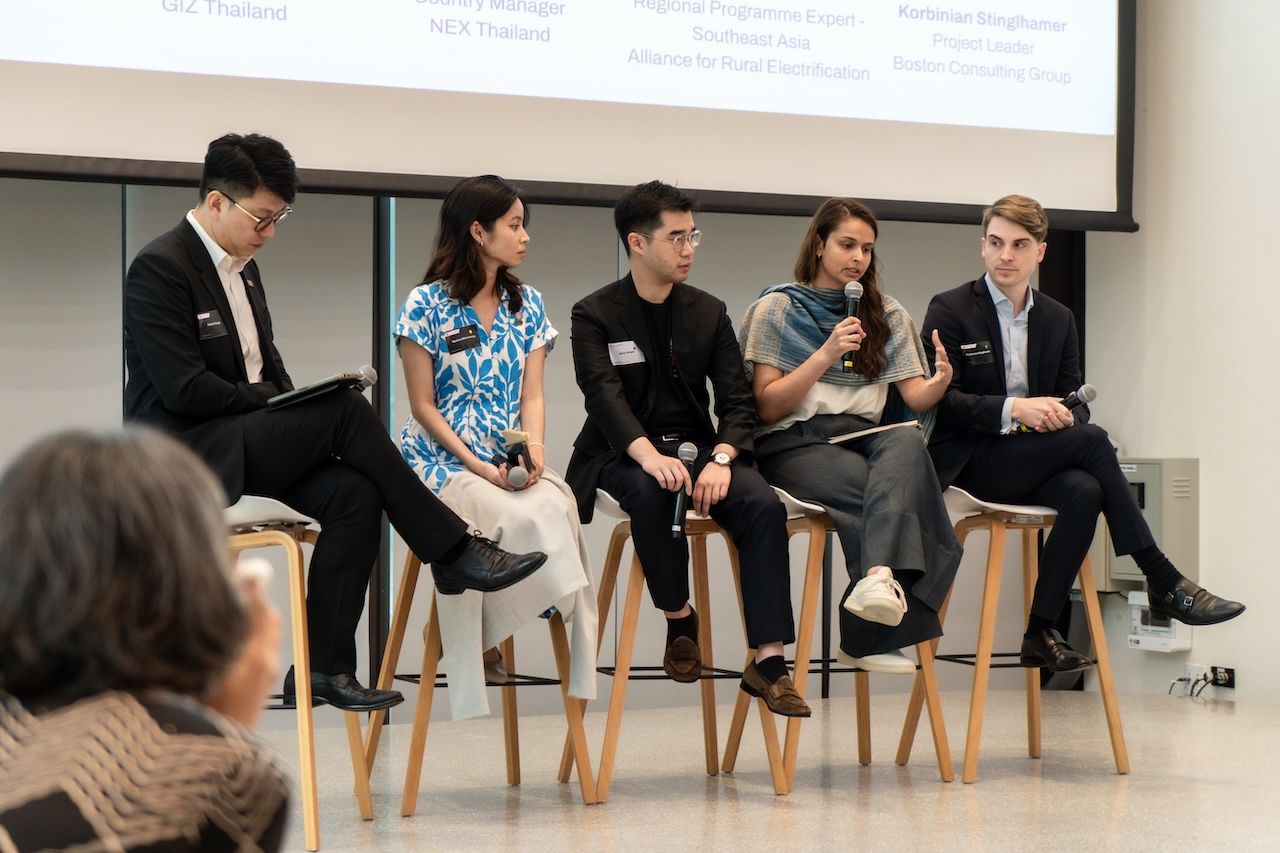
From left: Patrick Yeung, Director, Climate Action at AVPN; Warisa Sihirunwong, Regional Project Advisor for the Clean, Affordable and Secure Energy Programme, GIZ; Jirapat Horesaengchai, Country Manager at New Energy Nexus Thailand; Natasha Allen, Southeast Asia Programme Expert at the Alliance for Rural Electrification; and Korbinian Stinglhamer, Project Leader at Boston Consulting Group.

People Power: A transition shaped from the ground up

“Last one is people power… People science is just as important as technology science.” — Andrew Chang

At our last event, The NEX Gigawatt: Tapping into ASEAN’s Clean Energy Innovation Ecosystem, people power took center stage.

Entrepreneurs from Vietnam and Thailand showcased breakthrough clean energy solutions, ranging from sand batteries to AI-driven energy management, and grounded in the realities of their own countries and communities.

A highlight of the session was a panel featuring New Energy Nexus leaders from Thailand, Indonesia, the Philippines, Vietnam, China, Supercharge Australia (our collaboration with EnergyLab), and NEX Ventures (a venture fund based in Singapore). Each shared how their local ecosystems are empowering entrepreneurs to drive the clean energy shift.

“New Energy Nexus is unique to have chapters and people on the ground, building these relationships, deploying these technologies, supporting entrepreneurs,” Andrew said. “That’s our superpower.”

From the Philippines, Country Director Brenda Valerio reflected on how people-centered approaches unlock scale:

“New Energy Nexus in the Philippines is creating an ecosystem for different stakeholders, particularly startups and clean energy enterprises. We’re supporting early-stage clean energy startups and micro, small, and medium enterprises (MSMEs) that are working on climate and clean energy.”

In Thailand, Country Manager Jirapat Horesaengchai added:

“The role of New Energy Nexus Thailand is to facilitate the whole process of different stakeholders coming together… and grow the ecosystem for clean energy entrepreneurs.”

The event also bore witness to the solar energy revolution in Pakistan through the lens of industry leader Renewables First. The company is partnering with New Energy Nexus to back the next generation of clean energy innovators in the country. (Find out more about our joint program, Climate Innovation Pakistan, here.)

Together, these voices underscored that true transformation starts with people: founders, workers, and communities co-creating solutions that work in their local contexts and ripple outward across the region.

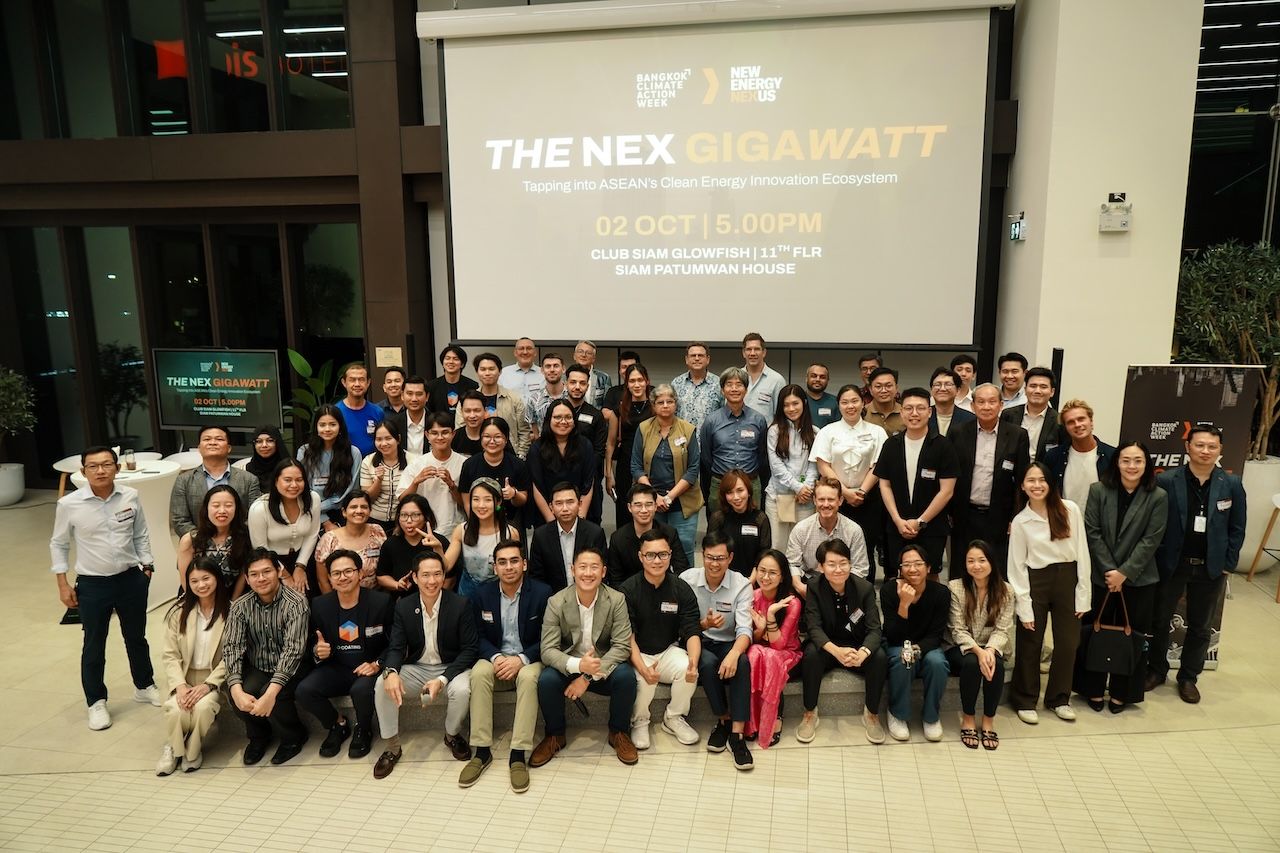
Speakers, panelists, and attendees of The NEX Gigawatt event.


A transition we’re accelerating

Across Asia and beyond, clean energy entrepreneurs are redefining what’s possible. At New Energy Nexus, we’ve not only seen this happen – we’re greasing the wheels on their progress.

For over 20 years now, we’ve supported over 10,000 of these entrepreneurs, helping them turn big ideas into real impact through capital, training, and partnerships.

The insights from Bangkok Climate Action Week are more than talking points and takeaways. They form a roadmap for how to fast-track the transition, and where clean energy innovators come in. When they are empowered to connect across borders, engineer solutions according to people’s needs, and lead from the ground up, they can spark change that scales far beyond their own localities.

In backing their success, New Energy Nexus is not just supporting startups – we’re charting a course towards 100% clean energy for 100% of the population.

Want to get involved? Check out our programs here, and get first dibs on clean energy opportunities when you sign up for our newsletter.

Explore More